
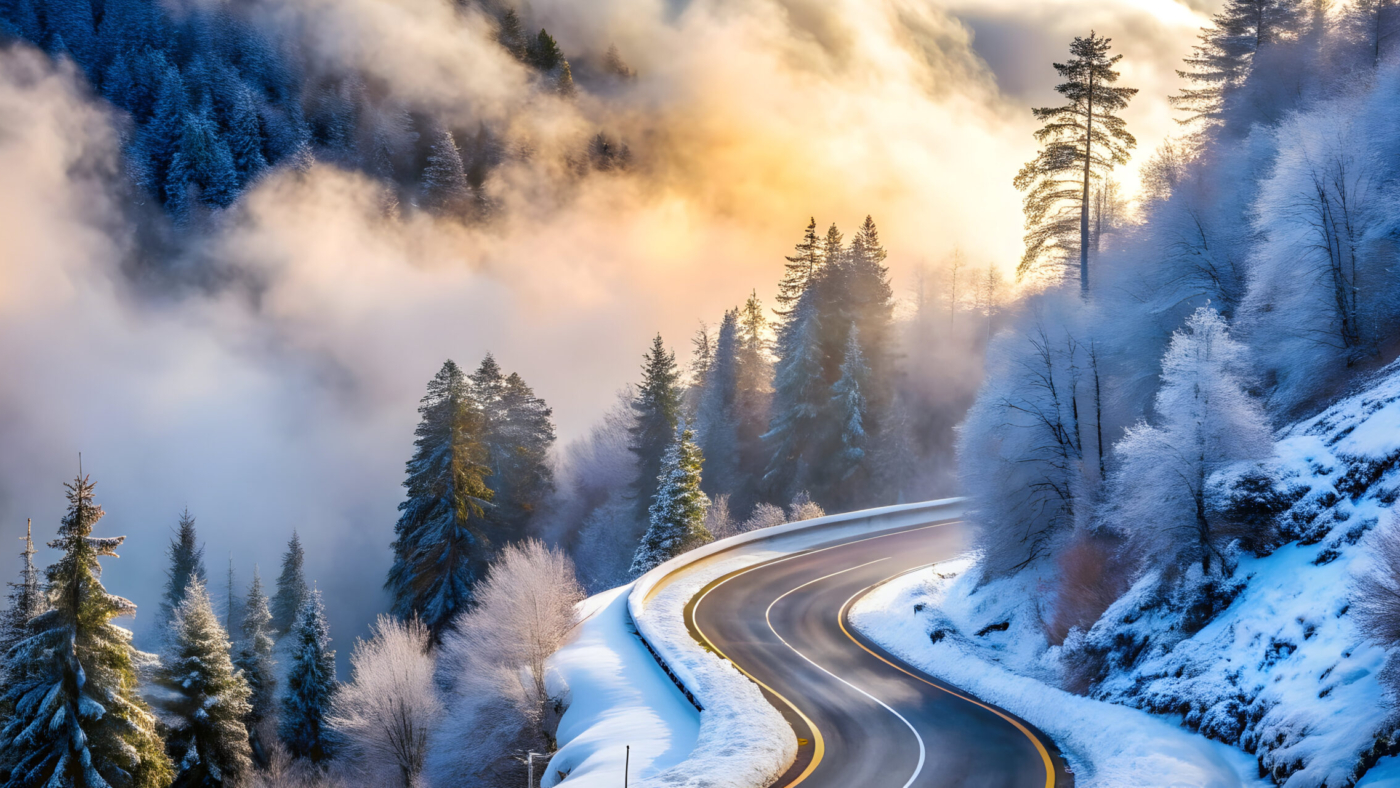
Winter Off-Roading and Overlanding Adventures: Conquer the Cold and Explore the Wild
Winter transforms the wilderness into a breathtaking landscape of pristine white, where snow blankets forests, rivers freeze into crystal highways, and frost glistens on every hill and valley. For off-roading and overlanding enthusiasts, this season opens doors to extraordinary adventure. Yet, navigating these frozen landscapes requires careful preparation, a deep respect for nature, and a willingness to embrace the challenges that come with harsh winter conditions. In this guide, we’ll explore what makes winter off-roading and overlanding uniquely thrilling, and how to prepare for a safe and unforgettable journey.
Why Winter Off-Roading Is a Unique Adventure
Winter conditions bring a new dimension to overlanding. Trails that are manageable in warmer months become testing grounds for both vehicles and drivers, with snow-covered paths, icy slopes, and hidden obstacles presenting constant challenges. The landscapes themselves offer serene, almost magical beauty—towering pines weighed down with snow, glittering ice-capped ridges, frozen lakes that stretch like mirrors, and valleys shrouded in frost. These scenes create an unparalleled backdrop for adventurers seeking solitude, self-reliance, and the exhilaration of traversing unpredictable terrain.
Off-roading in winter is not just about driving; it’s about mastering the elements and connecting with the raw beauty of nature in its quietest, coldest form. Every mile traveled is a test of skill, planning, and resilience, turning each journey into a story worth remembering.
Essential Preparation for Winter Overlanding
Winter overlanding is not for the unprepared. Proper preparation ensures not only enjoyment but also safety, which becomes critical in remote, icy environments.
1. Equip Your Vehicle
- Tires: Snow-rated or all-terrain winter tires are essential for traction on ice, snow, and slush.
- Recovery Gear: Pack a winch, traction boards, tow straps, and a snow shovel. These tools can mean the difference between a minor delay and a full-blown emergency.
- Vehicle Maintenance: Check the battery, engine fluids, heating system, and brakes. Cold weather can exacerbate mechanical weaknesses, so a well-maintained vehicle is a must.
2. Personal Gear
- Clothing: Layered, insulated, and waterproof apparel protects against frostbite and hypothermia. Don’t forget gloves, hats, and thermal socks.
- Sleeping Gear: High-quality, cold-rated sleeping bags and insulated pads are essential for overnight stops. Even a brief night in sub-zero temperatures can become dangerous without proper gear.
3. Navigation and Planning
- Use GPS systems and offline maps for remote areas where cellular coverage may fail.
- Study weather forecasts and carry emergency contacts.
- Plan for shorter daylight hours, allocating time for unexpected slowdowns.
4. Safety First
- Travel in convoys when possible to share resources and provide assistance in emergencies.
- Always inform someone of your route, planned stops, and estimated return.
Notable Winter Off-Roading Experiences
Winter off-roading can be found in numerous wild landscapes, each offering unique terrain and challenges:
- Snow-Covered Mountain Trails: Frozen switchbacks and steep inclines demand careful maneuvering but reward travelers with panoramic, snow-draped vistas.
- Dense, Icy Forest Paths: Thick forests blanketed in snow test vehicle handling and driver skill while offering solitude and immersive nature experiences.
- Frozen Lakes and Valleys: Traversing frozen bodies of water is a daring experience, combining precision driving with breathtaking winter scenery.
These areas push vehicles and drivers to their limits, requiring a mix of preparation, skill, and adaptability to safely enjoy the journey.
Winter-Specific Challenges
Driving on snow and ice is markedly different from dirt or gravel trails. Reduced traction, hidden obstacles beneath the snow, and extreme cold can slow progress and increase the risk of accidents. Shorter daylight hours add urgency to every move, demanding careful time management.
Yet, overcoming these obstacles enhances your driving abilities and makes the adventure all the more rewarding. Techniques such as maintaining momentum on snowy slopes, avoiding sudden braking on ice, and reading terrain under layers of snow are vital lessons that winter overlanders quickly learn.
Community and Conservation
Winter overlanding is more than a test of skill; it’s a community experience. Shared trails foster camaraderie among travelers, often leading to lasting friendships built on shared challenges and triumphs.
Equally important is responsible adventuring. Stick to designated routes, respect wildlife, and avoid fragile ecosystems. The pristine winter wilderness is a treasure, and part of being an off-roader is ensuring it remains unspoiled for future explorers.
The Reward of Winter Adventures
Winter off-roading and overlanding provide the ultimate challenge for endurance, skill, and adaptability. With the right equipment, preparation, and mindset, adventurers can explore frozen landscapes that few ever see, discovering the unmatched serenity and beauty of winter wilderness.
Each frozen trail traveled, each icy slope navigated, and each snow-laden forest conquered becomes part of a larger story—an epic winter journey where preparation meets exhilaration, and every mile brings both challenge and reward.
For those ready to take on the cold, gather your gear, map your course, and let the winter wilderness guide you. Adventure awaits on every frost-covered path, offering experiences that will be remembered long after the snow melts.