
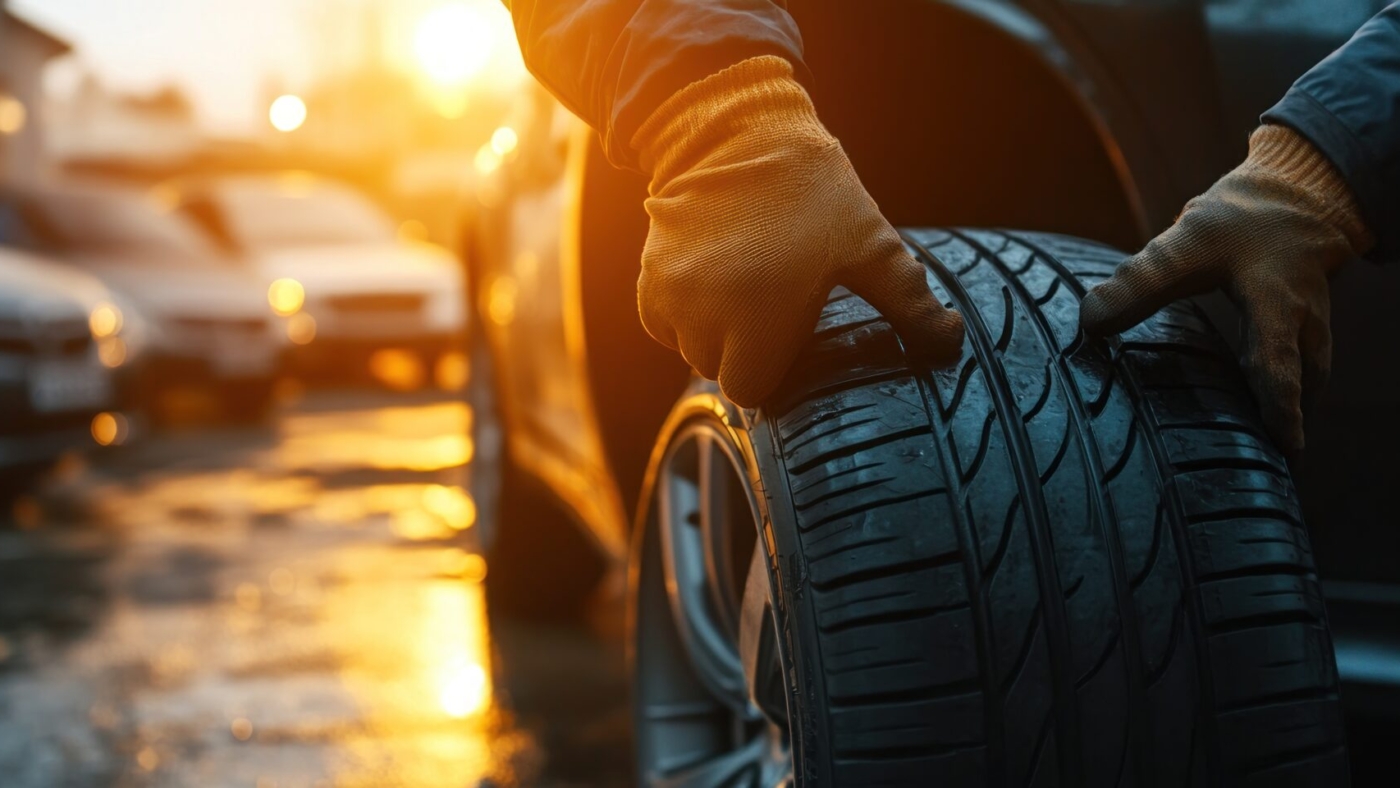
Tires: Your Vehicle’s Lifeline on the Road
Tires are more than just rubber and tread—they are the only part of your vehicle that actually touches the road. Every turn, stop, and acceleration depends on them. Healthy tires aren’t just about performance—they’re critical for safety, efficiency, and overall driving confidence. Ignoring tire care can lead to expensive repairs, reduced fuel economy, and even dangerous situations. Understanding common tire issues and how to prevent them is essential for every driver.
Uneven Wear
What Causes It: Tires can wear unevenly for several reasons, including poor alignment, unbalanced wheels, or incorrect tire pressure. Uneven wear not only reduces tire lifespan but can also affect handling and safety.
How to Prevent It: Regularly check and adjust tire pressure according to the manufacturer’s specifications. Make sure your wheels are properly aligned and balanced during routine maintenance. Rotating your tires every 6,000 to 8,000 miles helps ensure even wear across all tires, extending their life and improving performance.
Leaks and Flats
What Causes It: Sharp objects like nails, broken glass, or debris on the road can puncture your tires, causing leaks or sudden flats.
How to Prevent It: Avoid driving over debris whenever possible, and always keep your tires properly inflated. Consider using puncture-resistant tires or sealants for added protection. Regularly inspect tires for visible signs of damage, such as embedded objects, cuts, or bulges. Early detection can save you from unexpected roadside emergencies.
Tread Wear
What Causes It: Normal driving gradually wears down tread, but aggressive driving, poor maintenance, and improper inflation can accelerate the process.
How to Prevent It: Monitor your tread depth often. While the legal minimum is 2/32 of an inch, replacing tires at 4/32 of an inch provides a safer margin, especially on wet or slippery roads. One simple method is the penny test: insert a penny into the tread with Lincoln’s head upside down. If you can see the top of his head, it’s time for new tires. Proper tread depth ensures grip, stability, and overall safety.
Sidewall Damage
What Causes It: Sidewalls can be damaged by impacts with curbs, potholes, or road debris. Cuts, cracks, or bulges in the sidewall can compromise the tire’s integrity and lead to sudden failures.
How to Prevent It: Drive carefully and avoid hitting obstacles. Inspect sidewalls regularly for visible signs of damage. If you notice any issues, replace the tire immediately to prevent dangerous blowouts.
Underinflation and Overinflation
What Causes It: Tire pressure that is too low or too high can lead to uneven wear, reduced traction, and increased fuel consumption. Extreme underinflation can even cause tires to overheat, increasing the risk of blowouts.
How to Prevent It: Check tire pressure at least once a month and before long trips. Use a reliable tire pressure gauge and follow the manufacturer’s recommended levels, which are usually listed in the vehicle owner’s manual or on the driver’s side door jamb. Proper inflation not only extends tire life but also enhances fuel efficiency and safety.
Cracking and Bulging
What Causes It: Exposure to harsh temperatures, aging, and rough road conditions can lead to cracks or bulges in tires. These issues weaken the tire structure and increase the risk of sudden failure.
How to Prevent It: Whenever possible, park in shaded or covered areas to protect tires from extreme sunlight. Replace tires older than six years, even if the tread appears acceptable. Inspect tires regularly for cracks, splits, or bulges, addressing any issues promptly.
Vibration
What Causes It: Vibrations while driving can result from unbalanced tires, misalignment, or worn suspension components. Excessive vibration affects handling, increases wear, and can indicate deeper mechanical issues.
How to Prevent It: If you feel unusual vibrations, have your tires balanced and alignment checked by a professional. Ensure your suspension system is in good condition, as it directly affects tire performance and driving comfort.
The Bottom Line
Regular tire maintenance isn’t just about avoiding breakdowns—it’s about ensuring safety, maximizing efficiency, and protecting your investment. Proper care reduces the risk of accidents, extends tire life, and improves overall vehicle performance. Tires are the foundation of your driving experience, so they deserve consistent attention and care.
Advanced Technology for Tire Monitoring
Modern solutions like U-Pro Hybrid TPMS Sensors make monitoring your tires easier than ever. These sensors are programmable via near-field communication (NFC) technology on your smartphone, allowing you to quickly set them up for most aftermarket sensors across a wide range of vehicle makes and models. With tools like these, staying on top of tire health has never been more convenient.
By combining regular inspections, proper maintenance, and smart technology, you can drive with confidence, knowing your tires are ready to handle any road ahead. Remember—healthy tires aren’t just a convenience—they’re a vital part of a safe and smooth driving experience.