
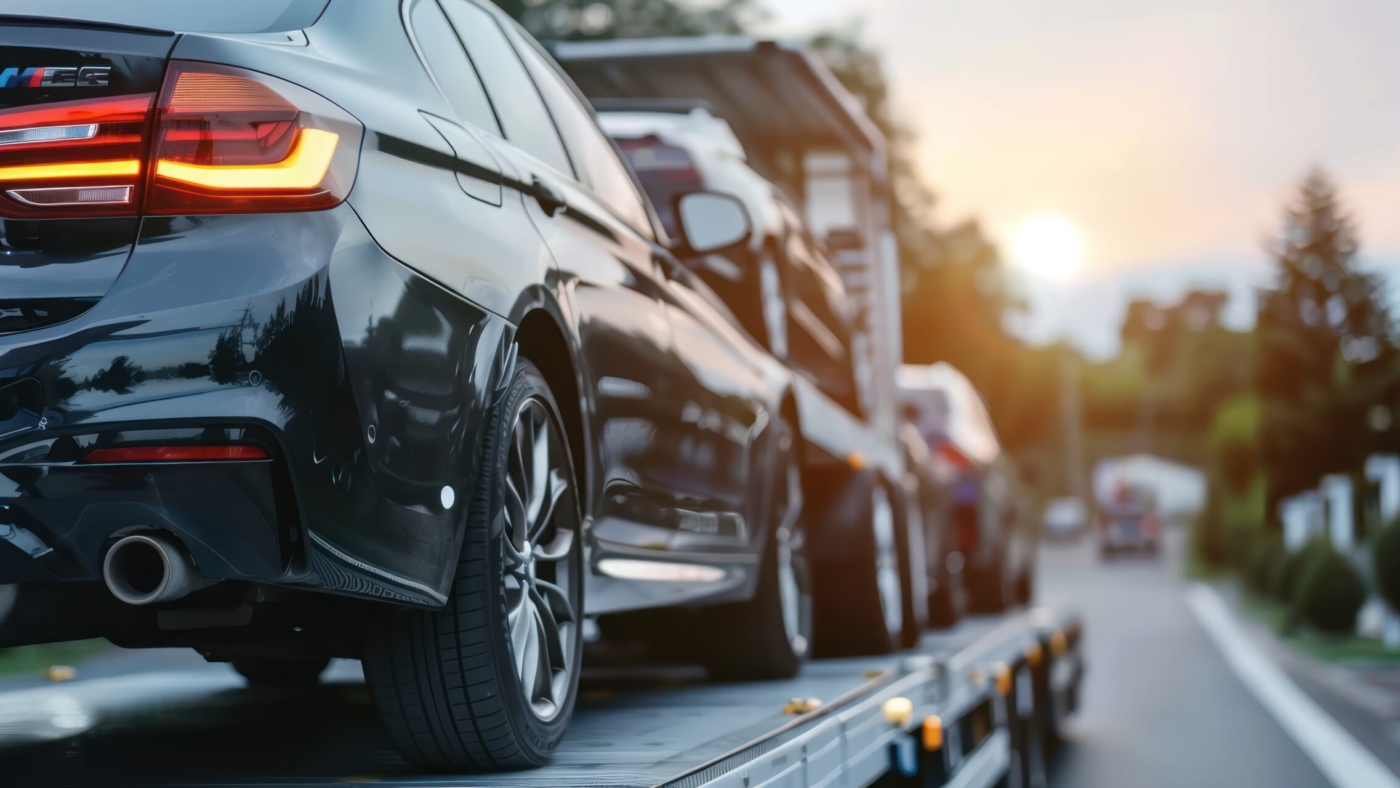
Towing a sports car is not a task to be taken lightly. These high-performance machines are engineering marvels designed for precision and speed, but their delicate components and low ground clearance make them particularly vulnerable during transport. Whether you’re moving your prized vehicle across town, delivering it to a specialized shop, or embarking on a cross-regional journey, improper towing methods can quickly result in costly damage, unnecessary repairs, and hours of frustration. This is why understanding safe, efficient towing practices is essential for every sports car owner.
In this comprehensive guide, we’ll walk you through everything you need to know about towing your sports car safely. From evaluating your towing needs to selecting the right equipment, preparing your vehicle, executing a secure load, and troubleshooting common issues, these expert tips will help ensure a smooth, worry-free towing experience.
Evaluating Your Sports Car Towing Requirements
Before you even consider hitching up a trailer or loading your car, it’s important to carefully assess your towing requirements. Proper planning is the foundation of safe towing.
Know Your Vehicle’s Weight and Dimensions
Even though sports cars are often lighter than full-size vehicles, precise knowledge of your car’s weight and dimensions is critical. This information will help you select the appropriate trailer or towing equipment. Consult your owner’s manual or the manufacturer’s specifications to obtain accurate numbers.
Understand Towing Capacity and Limitations
Not all trailers, tow vehicles, or hitch systems are suitable for transporting sports cars. Flatbed trailers or lowboy trailers are ideal for vehicles with low ground clearance, while other setups may require additional precautions to prevent scraping or damage. Matching the trailer’s capacity to your vehicle’s weight and size is a crucial step in preventing accidents or mechanical failures.
Plan Your Route
Consider the distance, road surface, and traffic conditions. Urban streets, steep inclines, or poorly maintained roads can complicate towing and require extra preparation. A well-planned route minimizes stress on your vehicle and reduces the likelihood of surprises along the way.
Choosing the Right Towing Equipment
Using the proper equipment is the cornerstone of safe towing. Investing in high-quality, purpose-built tools can prevent unnecessary wear and tear or costly damage.
Flatbed Trailers
Flatbeds provide a level, stable platform for your car. By lifting the entire vehicle off the road, you eliminate the risk of tire drag, suspension strain, and undercarriage scraping.
Lowboy Trailers
Lowboy trailers are specifically designed for low-clearance sports cars. Their lowered ramp angles make loading and unloading safer and more efficient.
Tow Hitches
Only use tow hitches rated for the combined weight of your trailer and vehicle. A properly mounted, heavy-duty hitch ensures stability and minimizes the risk of accidents during transport.
Safety Chains
Safety chains serve as a backup connection in case the primary hitch fails. Always cross the chains under the trailer tongue to provide optimal support and control.
Preparing Your Sports Car for Towing
Proper preparation protects your vehicle’s cosmetic and mechanical integrity. Skipping even small steps can result in scratches, dents, or hidden mechanical issues.
Pre-Towing Inspection
- Tires: Check that all tires are inflated to the recommended pressure.
- Fluids: Inspect for leaks and ensure all caps are secure.
- Battery: Either disconnect it or confirm it is firmly secured.
- Undercarriage: Check for loose parts or vulnerable components that could be damaged during loading or transit.
Protect the Exterior
Consider automotive-grade covers, foam padding, or bumper guards to prevent scratches or dings. Special attention should be paid to vulnerable areas like mirrors, spoilers, and the lower body panels.
Step-by-Step Guide to Safe Towing
Following a structured process ensures your sports car is loaded and secured safely.
- Align the Trailer and Vehicle
Position the trailer in a straight line with the car for easy and controlled loading. - Secure the Ramp
Ensure the ramp is stable and supported. Using wooden blocks or wheel chocks can prevent slippage. - Load the Vehicle Slowly
Drive up steadily, avoiding sudden acceleration or braking. Assistance may be necessary to guide the wheels precisely. - Attach Tie-Down Straps
Use four straps, one for each wheel, to evenly distribute tension. Avoid overtightening, which can strain the suspension or tires. - Double-Check Connections
Inspect the tow hitch, safety chains, ramps, straps, lights, and tires. Confirm that everything is secure before departing.
Driving Safely While Towing
Even after your vehicle is secured, towing demands additional caution behind the wheel.
- Maintain Reduced Speeds: Lower speeds increase reaction time and reduce the risk of trailer sway.
- Smooth Braking and Steering: Gentle, consistent inputs prevent load shifts and stress on both vehicles.
- Plan Ahead: Avoid steep inclines, sharp turns, and rough roads. Always have an alternate route in mind.
- Enhanced Visibility: Use extended side mirrors to monitor blind spots and ensure safe lane changes.
Handling Common Towing Challenges
Even experienced tow operators encounter issues. Knowing how to handle common problems keeps your vehicle safe:
- Trailer Sway: Often caused by poor weight distribution or crosswinds. Gradually reduce speed and avoid abrupt movements.
- Flat Tires: Keep a spare for both the trailer and the towed vehicle, along with a portable air compressor.
- Overheating Tow Vehicle: Monitor your temperature gauge. Pause to cool down if necessary. Upgrading the radiator or adding auxiliary cooling may help for frequent towing.
Key Takeaways
Towing a sports car doesn’t need to be intimidating. With careful planning, the right equipment, and attention to detail, you can transport your vehicle safely and securely.
If you prefer not to risk damage, working with a professional towing service is a smart choice. Experts have the training, tools, and experience to handle even the most delicate vehicles, ensuring your sports car reaches its destination in perfect condition.
By following these guidelines, you’ll gain confidence, reduce stress, and enjoy peace of mind knowing your high-performance machine is protected every mile of the way.